In today’s rapidly evolving technological landscape, the term DCIM has become increasingly common. If you’ve ever dealt with data centers, IT infrastructure, or photography, you might have come across this acronym. But what exactly does DCIM mean, and why is it important? In this article, we’ll explore the full meaning of DCIM, its applications, benefits, and frequently asked questions.
What Does DCIM Mean?
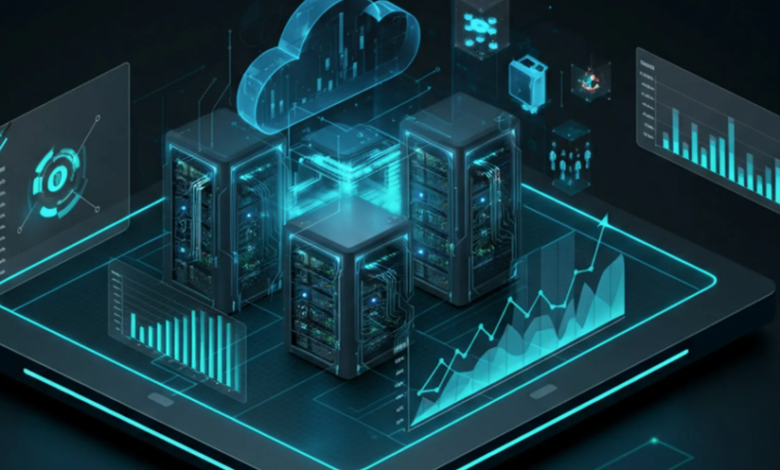
DCIM stands for Data Center Infrastructure Management. It is a comprehensive approach to managing, monitoring, and optimizing the physical and IT infrastructure within a data center. In simple terms, DCIM allows organizations to gain complete visibility and control over their data center assets, including servers, storage, networking equipment, power systems, cooling units, and other critical infrastructure.
The main purpose of DCIM is to improve efficiency, reduce operational costs, and ensure the reliability of the IT environment. By combining software tools and monitoring systems, DCIM helps data center managers make informed decisions about resource allocation, energy consumption, and maintenance schedules.
Note: In the world of digital photography and smartphones, DCIM also refers to the Digital Camera Images folder, which stores photos and videos captured by devices. However, in an IT context, DCIM primarily relates to data center management.
See also: Innovative Strategies for Finding Your Next Home
Key Features of DCIM
DCIM solutions offer a wide range of functionalities that streamline data center operations:
- Asset Management – Track and manage all hardware components, including servers, switches, routers, and storage devices.
- Capacity Planning – Analyze current utilization and predict future requirements to avoid over-provisioning or underutilization.
- Energy Monitoring – Measure power usage effectiveness (PUE) and optimize energy consumption to reduce costs.
- Environmental Monitoring – Track temperature, humidity, and airflow to prevent overheating or equipment failure.
- Change Management – Log changes in the infrastructure, ensuring accountability and minimizing downtime.
- Visualization Tools – Provide graphical dashboards to monitor real-time performance and alerts.
Why Is DCIM Important?
With businesses increasingly relying on digital solutions, the efficiency and reliability of data centers are more critical than ever. Implementing a DCIM system provides several key advantages:
- Improved Efficiency: By tracking energy use and hardware performance, organizations can reduce wasted resources.
- Enhanced Reliability: Monitoring environmental factors and system health minimizes downtime and service interruptions.
- Cost Savings: Optimizing power usage and predicting hardware requirements lowers operational expenses.
- Scalability: DCIM helps plan future growth by providing insights into available capacity and potential bottlenecks.
- Compliance and Reporting: Helps meet regulatory standards by maintaining detailed logs of infrastructure changes and usage.
Applications of DCIM
DCIM is widely used across various industries that rely on large-scale data operations:
- Enterprise Data Centers: For managing complex IT infrastructure efficiently.
- Colocation Facilities: To offer clients optimized performance and monitoring services.
- Cloud Service Providers: To ensure uptime, energy efficiency, and resource management.
- Telecommunications Companies: To manage network hardware and improve service delivery.
Common Misconceptions About DCIM
Many people confuse DCIM with simple IT monitoring or asset tracking. While DCIM does include these features, it is far more comprehensive. Unlike basic monitoring tools, DCIM integrates environmental, energy, and capacity management in a single platform, providing a holistic view of the data center ecosystem.
DCIM in the Context of Photography
Outside IT, DCIM has another meaning in photography. In smartphones and digital cameras, DCIM is the default folder where images and videos are stored. This dual meaning often leads to confusion, but understanding the context—IT vs. photography—helps clarify its use.
FAQs About DCIM
Q1: What is the primary purpose of DCIM?
A1: The primary purpose of DCIM is to monitor, manage, and optimize data center infrastructure, ensuring efficient operations, reduced costs, and reliable performance.
Q2: Is DCIM only for large data centers?
A2: No, DCIM can be implemented in data centers of any size, from small enterprise setups to large colocation facilities.
Q3: How does DCIM improve energy efficiency?
A3: DCIM monitors power consumption and environmental conditions, helping managers identify areas of inefficiency and optimize energy usage.
Q4: What is the difference between DCIM in IT and photography?
A4: In IT, DCIM refers to Data Center Infrastructure Management. In photography, DCIM refers to the Digital Camera Images folder where photos and videos are stored.
Q5: Can DCIM prevent data center downtime?
A5: While DCIM cannot guarantee zero downtime, it significantly reduces the risk by providing real-time monitoring, alerts, and predictive analysis for potential failures.
Conclusion
Understanding DCIM meaning is crucial for anyone involved in IT infrastructure, data center management, or even digital photography. In IT, DCIM serves as a vital tool for managing resources efficiently, reducing operational costs, and maintaining reliable operations. Its comprehensive features—from energy monitoring to asset management—make it indispensable for modern data centers. Meanwhile, in everyday device usage, it simply represents the folder where your precious photos and videos are stored. By leveraging DCIM in its IT context, organizations can ensure their digital operations run smoothly, efficiently, and sustainably.